




Rare Disease Networks : what for ?
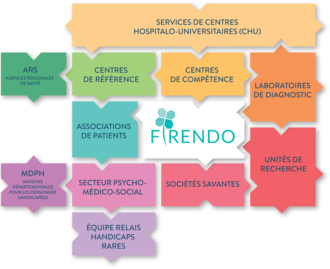
To improve awareness of rare endocrine diseases and increase the visibility of healthcare, research and education facilities at the national level, the FIRENDO network works to provide information on available resources, training opportunities and documents, while fostering collaboration and complementarity among its various stakeholders.
The aim is to address the challenges frequently encountered by patients with rare endocrine diseases in accessing appropriate care, including:
- Difficulties in obtaining an initial diagnosis, which may lead to diagnostic delays or misdiagnosis.
- Difficulties in ensuring continuity of care, or even interruptions in care, due to a lack of awareness of rare diseases.
- Difficulties in obtaining formal recognition of their condition, which can lead to problems with reimbursement or access to entitlements, including educational support, social assistance and medico-social care.
-

Gain in visibility for patients and their family, the general public, regulatory authorities and healthcare professionals
-

Care access
Clarify national network coverage and thus make it easier for the patient to have access to specialized care.
-

Collaboration
Encourage collaborative projects to multiply epidemiological data, gain better knowledge of the natural history of these diseases and their risk factors, contribute to the development of therapeutic trials...
-

Sharing knowledge
Transmit knowledge on rare endocrine diseases to all of the various actors, the patients and their family.
-
Expertise
Improve the diagnosis expertise and patient follow-up.
-
Animation
Encourage exchanges between the clinical expert centres and set up joint animation.
The Genesis of the Healthcare Networks
The development of these healthcare networks is part of the National Rare Diseases Plan, initiated by the French Ministry of Health. The most recent plan has helped bring expert centres together into coordinated networks. Often organised around a specific organ system affected by disease, these networks are known as rare disease healthcare networks (filières maladies rares). There are currently 23 such networks in France.





 1st Rare Disease Plan (2005-2008)
The first plan enabled the creation of national centres with highly specific expertise for one or for a limited group of rare diseases. These are known as reference centres. As well as providing healthcare, these centres also have missions such as research, epidemiology and training. Each reference centre is a highly specialized hospital department surrounded by its own network of counterpart hospital departments in other French cities. The latter offer patients a local service and are known as competence centres.
Download the English version of the 1st French Rare Disease Plan here
 2nd Rare Disease Plan (2011-2014)
One of the objectives of the Rare Disease Plan II is to encourage the union of facilities which care for rare diseases. This program can either revolve around a process shared by several diseases (e.g. intellectual development or deficiency) or focus on an affected organ system. This second option led to the creation of a national health network for rare endocrine diseases, called FIRENDO. In 2018, there were 23 health networks for rare diseases in France.
Download the English version of the 2nd French Rare Disease Plan here
 3rd Rare Disease Plan (2018-2022)
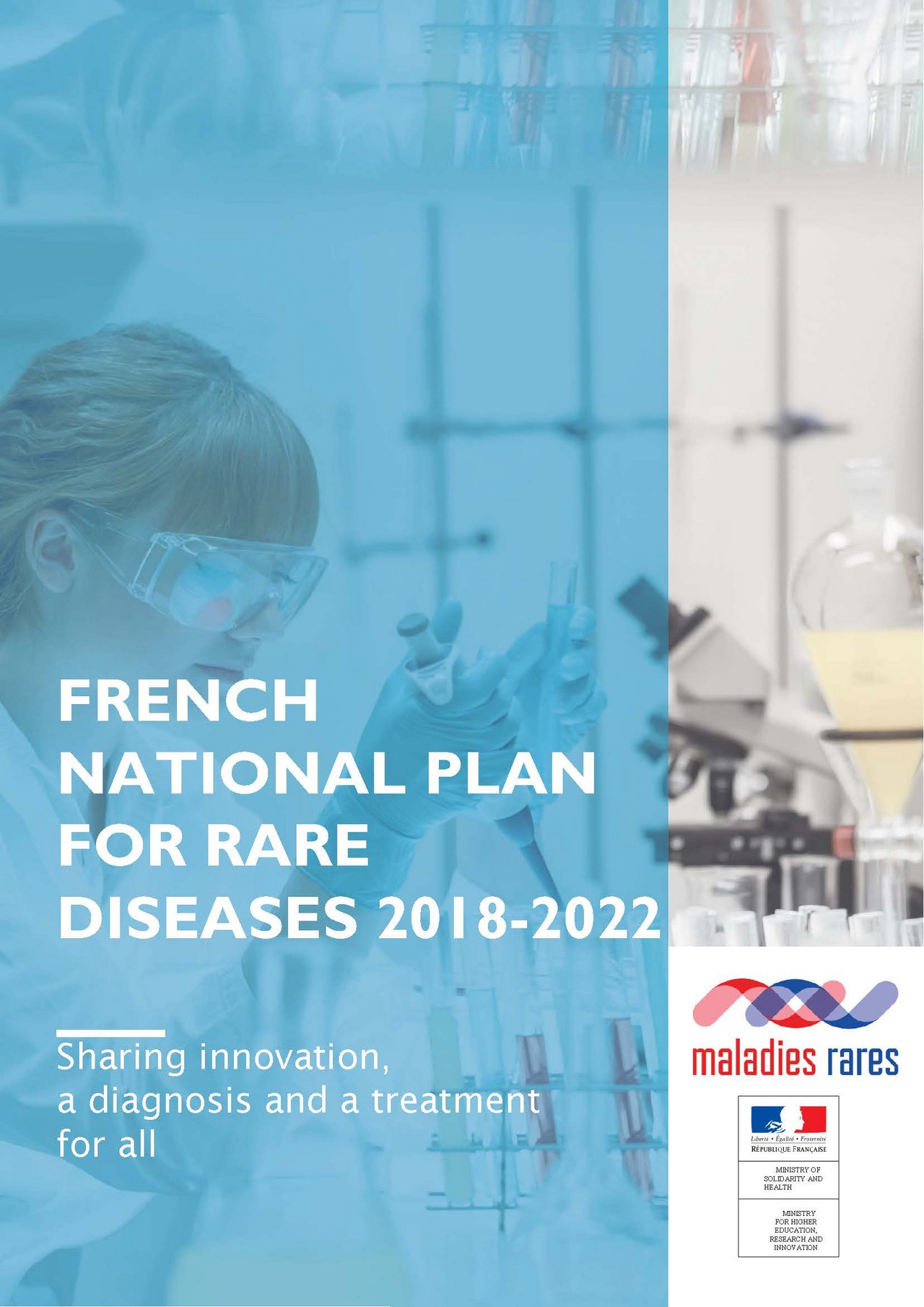
The third national plan for rare diseases was launched in mid-July 2018, continuing from the previous two plans. The national Rare Disease Networks were given a pivotal role in undertaking the 11 streamlines of this plan.
Download the English version of the 3rd Rare Disease Plan here